Safety Considerations for Commercial Concrete Sawing and Removal
People searching for commercial concrete sawing and removal often want safe, efficient ways to cut and remove concrete, and local service providers can ensure proper safety practices are followed.
Property owners exploring options for commercial concrete sawing and removal often recognize the importance of safety considerations to ensure a smooth and secure project. Whether planning to make structural adjustments, install new utilities, or remove damaged sections, understanding safety protocols helps prevent accidents and protect everyone involved. Local contractors who specialize in concrete sawing and removal are well-versed in these safety practices, making them a valuable resource for property owners seeking reliable and secure services.
Keeping safety at the forefront is especially crucial for those managing large-scale or complex projects. Proper safety measures not only safeguard workers and occupants but also help avoid costly delays or liabilities. By working with experienced service providers, property owners can ensure that safety considerations are integrated into every phase of concrete sawing and removal, providing peace of mind while achieving project goals efficiently. Keep reading to learn more about how local contractors prioritize safety and how they can assist with your specific needs.
- Commercial building renovations - when structural modifications require precise concrete cutting, local contractors prioritize safety considerations to prevent damage and accidents.
- Floor opening installations - for new utility access points, service providers follow safety protocols to ensure worker protection during concrete sawing and removal.
- Parking lot expansions - when enlarging or modifying paved areas, local pros implement safety measures to minimize hazards during concrete removal processes.
- Industrial facility upgrades - for upgrading or retrofitting infrastructure, service providers address safety considerations to protect workers and surrounding structures.
- Foundation modifications - during foundation repairs or adjustments, local contractors focus on safety practices to maintain stability and prevent injury.

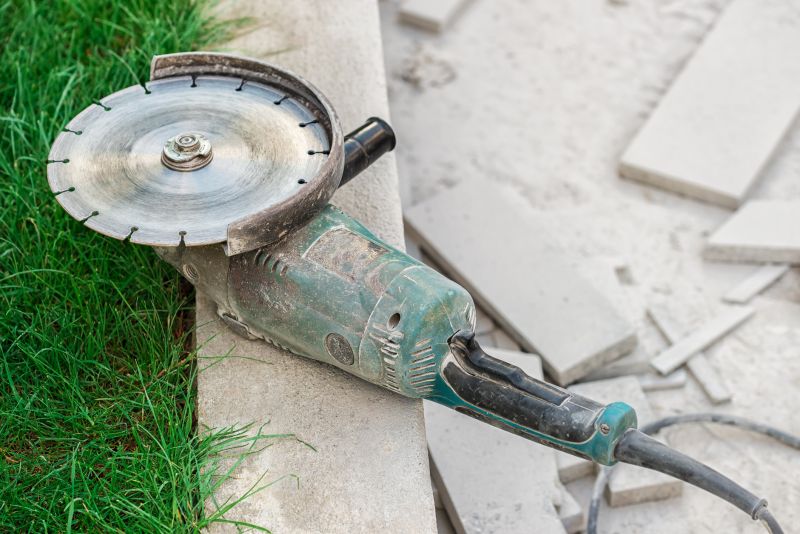
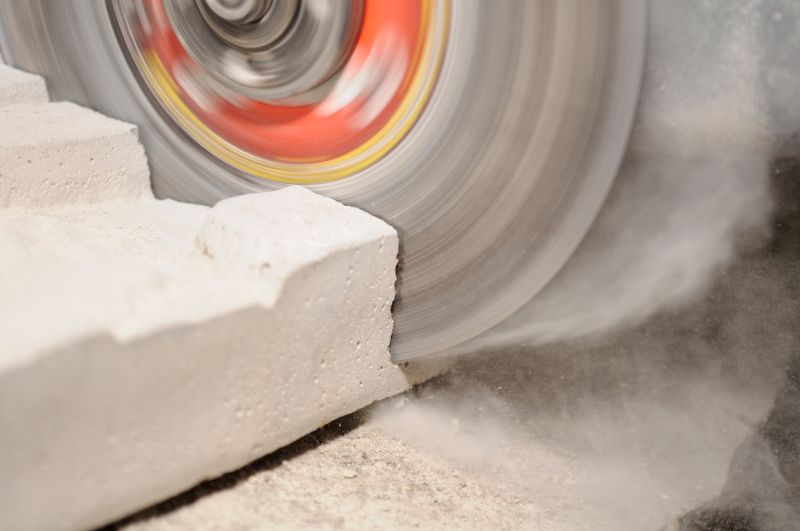
When searching for information on safety considerations for commercial concrete sawing and removal, most people are seeking guidance on how to ensure that the work is carried out safely and without incident. This often involves understanding the potential hazards associated with cutting and removing concrete in various settings. Property owners, project managers, or facility operators may want to know how to prevent accidents, protect workers, and avoid damage to surrounding structures or utilities. The focus is on minimizing risks during the process, which can involve heavy machinery, dust, noise, and the presence of existing infrastructure that could be compromised if safety protocols are not followed.
These safety considerations are closely related to planning and problem-solving for construction, renovation, or demolition projects. Common issues include avoiding damage to underground utilities like water, gas, or electrical lines, which can pose serious safety threats and lead to costly delays. Proper safety measures also address the risks of concrete debris flying or collapsing, which could harm workers or bystanders. For property owners or project planners, understanding these safety aspects helps in designing a job that adheres to safety standards, minimizes liability, and ensures a smooth workflow. Local service providers who specialize in commercial concrete sawing and removal are often called upon to implement these safety measures effectively, bringing experience and proper equipment to handle complex or sensitive projects.
The types of properties where safety considerations for concrete sawing and removal typically come into play include commercial buildings, industrial facilities, parking garages, retail centers, and public infrastructure. These properties often involve large-scale projects that require precise cutting techniques to avoid damaging existing structures or underground utilities. In some cases, the work may be performed in occupied spaces, making safety even more critical to prevent disruptions or accidents. Local contractors who handle commercial concrete sawing and removal are familiar with the unique safety challenges posed by these environments and can adapt their methods accordingly. Their expertise helps ensure that the work is completed safely, efficiently, and in accordance with any relevant safety guidelines or regulations.
For homeowners or property managers considering concrete removal or renovation projects, understanding safety considerations is essential for coordinating with experienced local pros. These specialists can assess the site, identify potential hazards, and implement safety protocols tailored to the specific project. Whether it’s cutting through thick slabs, removing old concrete foundations, or creating openings for doors and windows, proper safety measures protect everyone involved. Connecting with local contractors who prioritize safety ensures that projects are managed responsibly, reducing the risk of accidents and property damage. This collaborative approach helps turn complex concrete removal tasks into safe, manageable projects that meet the needs of the property and its occupants.
Asphalt Cutting Projects - local contractors specializing in asphalt cutting often use similar saws and safety protocols as those in concrete sawing, making safety considerations crucial for their work.
Demolition and Debris Removal - demolition projects require careful planning and safety measures when handling heavy materials, paralleling the safety needs in concrete removal tasks.
Bridge and Infrastructure Repair - these projects involve precise cutting and removal techniques that demand strict safety practices to prevent accidents and ensure structural integrity.
Industrial Floor Cutting - service providers working on industrial floors utilize similar tools and safety procedures as commercial concrete sawers to manage hazardous environments.
Masonry and Tile Cutting - professionals in masonry and tile cutting employ cutting tools and safety considerations comparable to those used in concrete sawing and removal.
Parking Lot Resurfacing - projects involving parking lot resurfacing often require saw cutting and removal, making safety planning essential for local contractors handling these jobs.
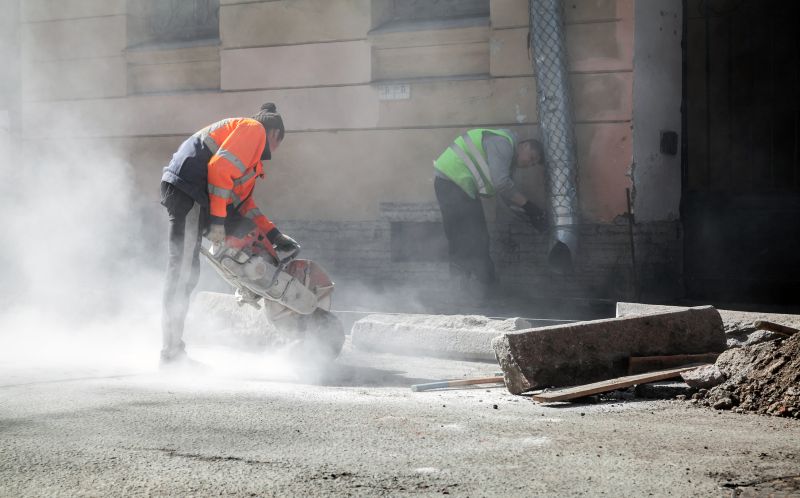
When evaluating service providers for commercial concrete sawing and removal, it is essential to consider their experience with similar projects. Contractors who have handled comparable jobs are more likely to understand the specific safety considerations involved, such as managing dust, controlling vibrations, and preventing structural damage. Reviewing their portfolio or asking for examples of past work can provide insight into their familiarity with the nuances of projects similar in scope and complexity, helping ensure that safety protocols are well-established and effectively implemented.
Clear written expectations are a key aspect of choosing the right service provider. A reputable contractor should provide detailed documentation outlining safety procedures, equipment used, and project scope. This transparency helps prevent misunderstandings and ensures that safety considerations are prioritized throughout the job. When reviewing proposals or estimates, it’s beneficial to look for comprehensive descriptions of how safety measures will be integrated into the work plan, demonstrating a commitment to maintaining a secure work environment.
Reputable references and good communication are also critical factors in selecting a contractor for commercial concrete sawing and removal. Speaking with previous clients can reveal how well a service provider adheres to safety standards and handles potential challenges during projects. Additionally, effective communication-such as responsiveness to questions and clarity in explaining safety procedures-indicates a contractor’s professionalism and dedication to safety. Choosing local service providers known for their reliability and open dialogue can help ensure that safety considerations are consistently addressed and that the project proceeds smoothly and securely.
Property owners often search for safety considerations for commercial concrete sawing and removal when they are planning practical projects around their homes and businesses. Local pros provide Commercial Concrete Sawing and Removal services for everyday jobs and straightforward project options.
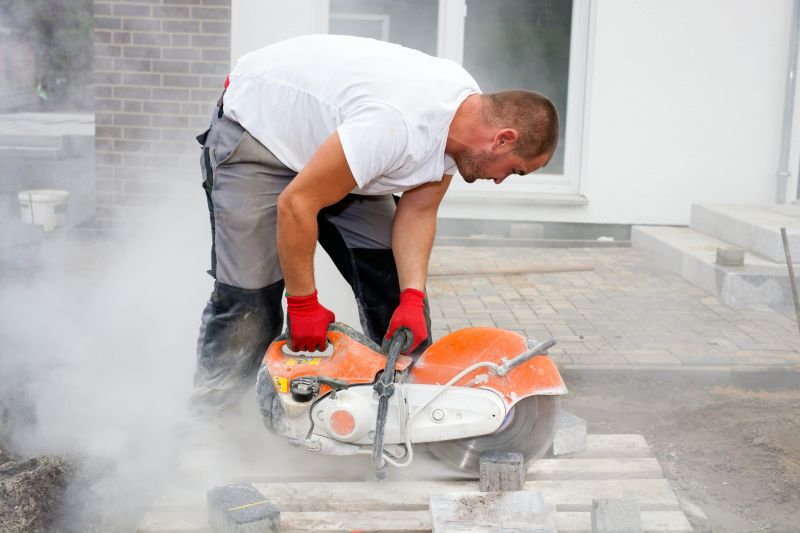
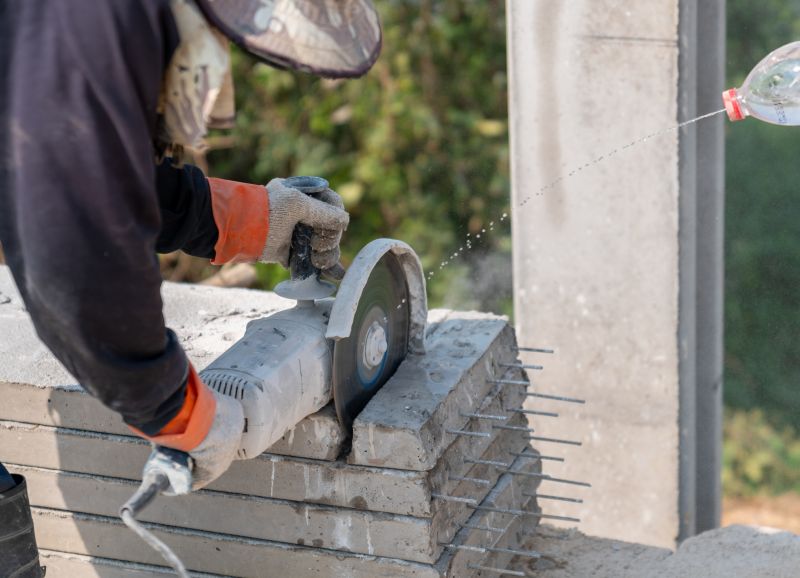
Safety considerations for commercial concrete sawing and removal are essential for property owners undertaking renovation or demolition projects. Whether making precise cuts for plumbing, electrical work, or removing sections of existing concrete, the use of heavy-duty equipment can pose risks if not managed properly. Property owners in the area often seek out local contractors who prioritize safety to ensure that the work is completed without accidents or damage to surrounding structures. These professionals understand the importance of proper planning, equipment handling, and site management to minimize hazards during the sawing and removal process.
In everyday project situations, hiring experienced service providers can help property owners navigate safety concerns effectively. Local contractors are equipped with the knowledge and tools necessary to perform concrete sawing and removal safely, reducing the likelihood of injuries or property damage. They can also advise on safety protocols, such as securing the work area and using appropriate protective measures. For those planning a project that involves cutting or removing concrete, connecting with reputable local service providers ensures that safety considerations are integrated into every stage of the work, providing peace of mind throughout the process.
What safety precautions should be considered during commercial concrete sawing? Local contractors typically implement measures such as proper dust control, use of personal protective equipment, and ensuring adequate ventilation to minimize health risks during concrete sawing and removal.
How do local service providers ensure safe removal of concrete debris? They often use specialized equipment and follow safety protocols to prevent injuries, including secure containment and proper disposal methods for concrete waste.
Are there safety concerns related to dust and airborne particles? Yes, safety considerations for commercial concrete sawing and removal include controlling dust with water suppression or dust extraction systems to protect workers and nearby occupants.
What role does site preparation play in safety during concrete removal? Proper site assessment and preparation help identify hazards, establish safe work zones, and ensure the use of appropriate safety gear by personnel involved in the project.
Can local contractors handle safety considerations for complex concrete removal projects? Yes, experienced service providers are equipped to manage safety risks associated with complex or large-scale concrete sawing and removal tasks, following best practices to protect workers and the environment.
Proper equipment handling - Ensuring that tools and machinery are operated correctly can prevent accidents during concrete sawing and removal projects, and local contractors can provide guidance on safe operation.
Site assessment and planning - Conducting thorough evaluations of the work area helps identify potential hazards, allowing property owners to work with local service providers to develop safe procedures.
Use of protective barriers - Installing barriers or warning signs around the work zone can keep bystanders safe, and local pros can advise on effective safety barriers for the site.
Personal protective equipment (PPE) - Wearing appropriate PPE such as eye protection, masks, and gloves is essential, and local contractors can recommend suitable safety gear for the project.
If you are thinking about safety considerations for commercial concrete sawing and removal for a property, this guide is meant to help you understand this topic, the typical project types, and how different options might fit your plans.
When you are ready, you can use the quote form on this page to share a few details about your project. From there, local pros can review the basics and follow up with options that match what you have in mind.